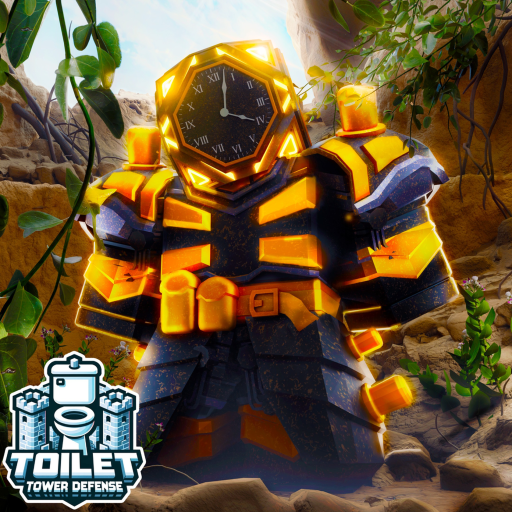
TTD Trade Checker: Win, Fair or Lose
Check any Toilet Tower Defense trade before you accept it. Compare both sides, see who comes out ahead, and find out exactly how far apart the two offers are.
What WFL Means in Toilet Tower Defense
Win, Fair or Lose. A Win/Fair/Lose calculator totals both sides against a community value list and tells you which way the deal leans, and in TTD that is the only standard there is, because the developers publish no values at all. Every number in the comparison is a community estimate of how in-demand a unit is, agreed on by traders rather than issued by anyone.
Read the gap in Gems rather than the letter above it. A gap is something you can close with one more unit; a verdict is something the other player will simply disagree with, since they have read a value list too and possibly a fresher one. In a game whose economy shifts daily, the size of the difference tells you far more than which side of the line it lands on.
How to Check if a TTD Trade Is Fair
Build the side you are receiving first, unit by unit, and count the small ones properly. This is where TTD trades go wrong more than anywhere else: Basic, Epics, Rares and Uncommon units all sit at single-digit gem medians, so a side that looks generous because it holds eleven units can be worth less than the one unit you are giving. Volume is the standard shape of a bad offer here.
Then check demand, which is published on a 10-point scale beside each unit. This is the check almost nobody makes and it matters more in TTD than in most games: the most valuable unit in the game rates 4 out of 10 while a unit worth a sixth as much rates 7.8. Very High Demand units sell dramatically faster, low-demand units are difficult to resell at any price, and accepting one means holding it. If you are still assembling an offer, the TTD value calculator prices one side in more detail.
How TTD Trades Go Wrong Without a Scam
Three ways, and none of them involves dishonesty. Overpaying for unpopular units is the most common: without checking values, traders end up overpaying by 50 to 100% for something nobody wants, and the seller has done nothing wrong. Trading unstable units is the second, since a unit riding a hype cycle can crash 20% overnight and the crash is not personal.
The third is ignoring the labels. Track market labels and act on them: rising units reward buying early for resale during hype cycles, while rapidly dropping units should be sold immediately rather than held in hope. Leaderboard resets, new crate releases, dupe waves and meta shifts all reprice the board continuously, so a value you memorised last month is not a value, it is a memory.
Worth knowing where the effort actually pays. Trading generates gems three times faster than grinding when you target high-demand units, and Very High Demand units sell around 68% faster than equally priced alternatives, so liquidity compounds in a way the totals never show. The counterweight is simple: grinding carries no scam risk at all. If you are not prepared to check every offer properly, the slower route is the one that keeps your units.
How to Avoid TTD Trade Scams
Three patterns cover almost everything. The fake signature: somebody will claim a unit is developer-signed, which is worth a real 500 to 1000 gems, and it simply is not. Verify through official channels rather than taking a screenshot as proof.
The free-unit giveaway: somebody offers a free Mythic in exchange for a unit, takes yours, then leaves or turns trades off. Nothing arrives and nothing comes back. And the exploit swap, which is the nastiest because it beats ordinary care: the scammer puts good units in the offer, you accept, and an exploit removes them once you accept. Against that one, the only defence is not trading with strangers pushing an unusually good deal, and treating urgency as the warning it is. Cross-check anything surprising against the TTD value list before you accept.
TTD Trade Checker FAQ
How do I know if a TTD trade is fair?
Total both sides in Gems against a community value list and read the gap. Close totals mean a fair trade by the community's own standard, and the gap tells you exactly how much more to ask for when they are not close.
Someone offered me lots of units for one good one. Is that fair?
Count them here first. Most low-tier units are worth single-digit gems, so a large pile frequently totals close to nothing. Volume is the most common shape an unfair TTD offer takes.
Should I take a high-value unit with low demand?
Only if you intend to keep it. In TTD value and demand come apart sharply, and a low-demand unit is difficult to resell whatever its listed worth. If you are trading to trade again, demand matters more than the number.
How do I check whether a unit is really signed?
Verify through official channels rather than trusting a screenshot. Fake signed offers are a standard scam, and a real developer signature is worth 500 to 1,000 gems, which is enough to be worth faking.
What is the exploit swap scam?
The scammer puts good units into the offer, then uses an exploit to remove them once you accept, so you receive nothing. Ordinary checking does not stop it, which is why unusually generous offers from strangers are best refused outright.
Can I share the result with the other player?
Yes. Copying the link from your address bar sends both sides exactly as you built them, which settles a disagreement faster than screenshots and cannot be edited on the way.
 Adopt Me
  Anime Last Stand
  Anime Vanguards
  Blade Ball
  Blox Fruits
  Bubble Gum Simulator Infinity
  Creatures of Sonaria
  Dragon Adventures
  Fisch
Fisch  Garden Tower Defense
  Grow a Garden
  Jailbreak